
-
Miami, Florida
-
Mon-Fri 8 am- 6pm (EST)
Patients from all over the US come to see Dr. Trapana due to his world class expertise in Spine
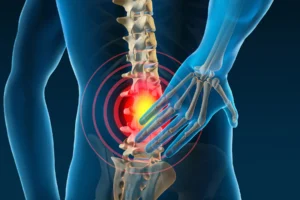
Back pain is one of those problems that almost everyone experiences at some point. Sometimes it’s obvious — you lifted something heavy, tweaked your back, and a few days later you feel better. Other times, it’s not so clear. The pain lingers. It changes. It starts affecting sleep, work, or your ability to move comfortably.
This is where many patients get stuck.
They’ve already seen a provider. Maybe they were told it’s “just muscular.” Maybe they were given medication, physical therapy, or an injection. But weeks or months later, the pain is still there — or worse, it’s progressing.
This is often the moment when a second opinion becomes not just reasonable, but important.
For patients across South Florida, this is a scenario Evan Trapana sees regularly.
Back pain is common. Serious spinal problems are less common. That combination can lead to oversimplification early on.
Many patients are initially told:
In many cases, that approach is completely appropriate. Most back pain does improve without surgery.
The problem is when red flags are missed, imaging is delayed too long, or symptoms are brushed off as routine when they aren’t.
Dr. Trapana often meets patients who weren’t told that their pain pattern — not just its intensity — matters.
Not all back pain needs another opinion. But some situations should raise questions.
A second evaluation is worth considering if:
Dr. Trapana emphasizes that extremes are often a warning sign. Spine care is rarely all-or-nothing.
A meaningful second opinion isn’t about disagreeing for the sake of it.
It should:
This is where Dr. Trapana’s approach stands out. He doesn’t start with a procedure — he starts with decision-making.
Dr. Trapana is known for being deliberate. Not rushed. Not dismissive.
He spends time answering questions patients often weren’t encouraged to ask the first time:
For him, the goal isn’t to operate — it’s to make sure patients understand what’s actually happening in their spine and why.
That clarity alone often brings relief.
One of the most common reasons patients seek Dr. Trapana out is confusion.
They’ve either been told:
…without much explanation in between.
Dr. Trapana believes the truth usually lives in the middle.
Some conditions genuinely do require surgical intervention to prevent nerve damage or loss of function. Others respond better to targeted non-surgical care once the diagnosis is accurate.
A second opinion helps sort that out.
Spine imaging can look alarming. Disc bulges, degeneration, arthritis — these show up on many scans, even in people without pain.
What matters is interpretation.
Dr. Trapana’s experience allows him to distinguish:
That level of judgment is exactly why a second opinion can change a patient’s entire treatment path.
Not necessarily. Medicine isn’t black and white. A second opinion adds perspective, not conflict.
If symptoms persist, worsen, or don’t match the explanation you were given, that’s a good time.
Often the opposite. It can prevent unnecessary delays — or unnecessary surgery.
Sometimes yes, sometimes no. Dr. Trapana often starts by reviewing existing scans before deciding what’s needed.
That can be incredibly reassuring and helps patients move forward with confidence.
Patients don’t seek second opinions casually. They do it because something doesn’t feel resolved.
Dr. Trapana is frequently chosen because he:
For many, the second opinion becomes the first time things truly make sense.
If you’re dealing with ongoing back pain and feel unsure about your diagnosis or treatment plan, a second opinion can provide clarity — not pressure.
📍 Spine Consultation with Dr. Evan Trapana
🌐 Website: https://floridaspine.net
📞 Phone: 305-243-3286
The right next step isn’t always another test or another treatment.
Sometimes, it’s simply another expert taking a careful look.