
-
Miami, Florida
-
Mon-Fri 8 am- 6pm (EST)
Patients from all over the US come to see Dr. Trapana due to his world class expertise in Spine
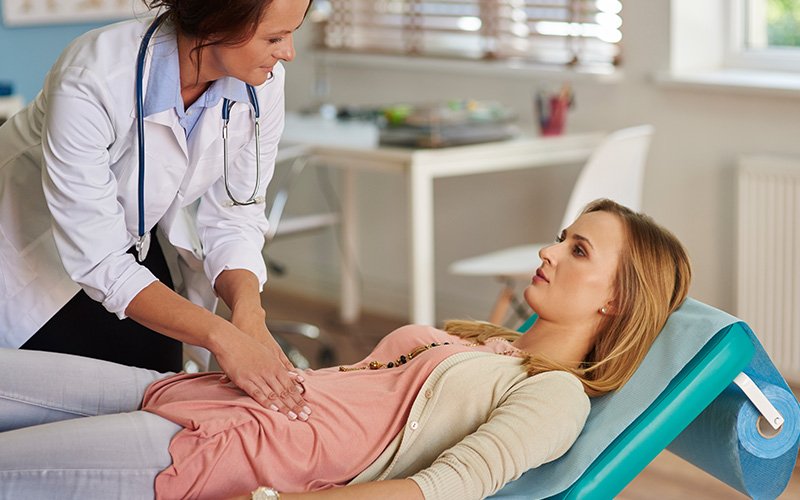
Severe, unremitting pain localized at the base of the spine, lower back, and pelvic region can transform the simplest daily activities—such as sitting at a desk, standing in line, or getting out of bed—into a grueling challenge. Because the pelvic girdle and the sacrum form the mechanical foundation of the skeletal structure, issues in this region frequently manifest as an overlapping web of complex symptoms.
When conservative options like standard rest or over-the-counter medications no longer provide a pathway to relief, identifying the structural root cause becomes vital to saving long-term mobility. At The Florida Spine Center, Evan Trapana, MD provides top-tier, motion-preserving spine care for patients across South Florida. Specializing in minimally invasive and computer-guided decompression techniques, Dr. Trapana coordinates targeted care paths to resolve debilitating sacral and pelvic nerve disorders safely.
The sacrum is a large, triangular bone situated at the base of the spine that connects the vertebral column to the pelvic bones via the sacroiliac (SI) joints. A disruption to the complex network of ligaments, bones, and nerve pathways in this zone can generate severe, radiating pain.
Common conditions underlying chronic sacral and pelvic distress include:
Sacral and pelvic structural issues can easily be misdiagnosed because their pain pathways frequently mimic general hip or lower back strain. However, genuine nerve or structural joint issues display distinct clinical markers:
Before introducing advanced surgical protocols, Dr. Evan Trapana focuses on exhausting precise, evidence-based non-surgical therapies designed to downregulate inflammation and restore joint stability.
A specialized back pain therapy treatment plan focuses on strengthening the deep core musculature, gluteal groups, and pelvic stabilizers. Balancing muscle tension across the pelvis reduces asymmetric mechanical shearing forces across an inflamed sacrum or SI joint.
Utilizing targeted nerve medications or non-steroidal anti-inflammatory drugs helps soothe hyperactive pain pathways, giving patients a comfortable window to engage actively in physical rehabilitation.
Under precise fluoroscopic (X-ray) or ultrasound guidance, a powerful anti-inflammatory steroid mixture can be delivered directly into the tight contours of the sacroiliac joint. This rapidly suppresses localized joint inflammation and serves as an invaluable diagnostic tool to confirm the exact source of your pain.
For pain originating from a compressed L5-S1 disc level, targeted epidurals bathe the pinched nerve roots in anti-inflammatory medication, alleviating the sharp radiating pain traveling into the pelvis and legs.
While conservative management provides excellent relief for a broad spectrum of patients, certain clinical boundaries dictate that surgical intervention is required to protect your nerve function. Surgery is generally indicated when:
For severe SI joint dysfunction that fails to respond to injections, a minimally invasive fusion can be performed through a small, muscle-sparing incision. Using advanced computer guidance, Dr. Trapana places small titanium implants across the joint to stabilize the bone, eliminating the painful micro-motion that causes chronic inflammation.
When severe stenosis or spondylolisthesis pinches the sacral nerves, Dr. Trapana utilizes microscopic tools to clear away bone spurs or herniated discs crowding the canal. If structural instability is present, a minimally invasive stabilization using rods, screws, and bone cages is seamlessly deployed to anchor the lower lumbar spine perfectly to the sacrum.
The lumbosacral and pelvic region is a complex anatomical crossroads housing major vascular networks and delicate nerve structures that control leg mobility, pelvic function, and bladder control. Attempting to address chronic sacral conditions without a deep, high-volume understanding of spinal biomechanics can lead to suboptimal outcomes.
Choosing a fellowship-trained spine authority like Dr. Evan Trapana at The Florida Spine Center ensures your treatment utilizes advanced intraoperative nerve monitoring and strict zero-infection protocols. Dr. Trapana’s commitment to motion preservation guarantees that your care path protects your functional health, focusing entirely on returning you to an independent, active lifestyle.
Living with the limitations of chronic sacral issues and pelvic pain can make your daily life feel restricted, but modern orthopedic spine care provides highly effective, targeted pathways to permanent relief. Early diagnostic tracking is the single most useful mechanism to safeguard your nerve function before permanent tissue damage takes place.
CTA: Contact floridaspine today to schedule a comprehensive evaluation with Dr. Evan Trapana and build your personalized path to physical recovery.