
-
Miami, Florida
-
Mon-Fri 8 am- 6pm (EST)
Patients from all over the US come to see Dr. Trapana due to his world class expertise in Spine
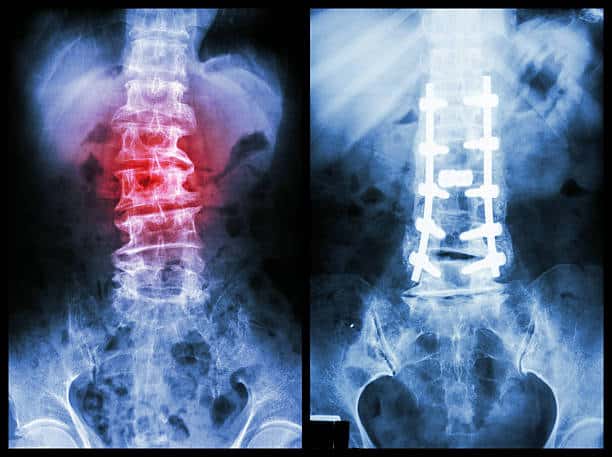
Lower back pain is one of the most common and debilitating conditions affecting millions of people worldwide, often serving as the first sign of a spinal condition known as spondylolisthesis. This condition occurs when one vertebra slips forward over the one below it, leading to significant instability, nerve compression, and a loss of daily mobility. For those living with this condition, every movement—from standing to walking—can be a struggle.
Emphasizing the importance of choosing the right back pain treatment is the first step toward a pain-free life. At The Florida Spine Center, Dr. Evan Trapana serves as a trusted provider of advanced, motion-preserving spine care for patients throughout South Florida.
Let’s explore the causes of this condition and the various lower back pain treatments available to restore your quality of life.
Spondylolisthesis is a primary driver of chronic discomfort, but lower back pain can stem from several interrelated conditions:
When it comes to treating spondylolisthesis, there is no one-size-fits-all answer. The low back pain treatment that works for one patient may not be appropriate for another.
The best approach depends on several clinical factors:
Under the guidance of Dr. Evan Trapana, patients transition through a tiered treatment plan, starting with conservative measures before considering more advanced interventions.
Physical therapy is a cornerstone of recovery for spondylolisthesis. A specialized back pain therapy treatment plan focuses on “core stabilization” to strengthen the abdominal and back muscles.
By creating a natural muscular “brace” around the spine, patients can reduce the mechanical load on the slipped vertebra and prevent further progression.
Initial relief is often found through anti-inflammatory drugs (NSAIDs) to reduce swelling around the compressed nerves. Muscle relaxants may also be used to address the painful spasms that often accompany spinal instability.
In mild cases, spinal adjustments and chiropractic care can help improve alignment and joint mobility. This can alleviate some of the mechanical stress causing discomfort in the lower back.
If pain persists, Dr. Trapana may recommend advanced minimally invasive treatments such as epidural steroid injections or selective nerve blocks.
These procedures deliver powerful anti-inflammatory medication directly to the site of nerve irritation under high-precision imaging guidance.
For severe or chronic cases where the vertebra continues to slip or neurological symptoms (like leg weakness) worsen, surgical treatment is required.
Dr. Trapana specializes in decompression and stabilization procedures designed to stop the slippage and relieve nerve pressure while preserving as much natural motion as possible.
Understanding the trade-offs between different care paths is essential for patient decision-making:
At The Florida Spine Center, we emphasize holistic recovery through:
The key to success is an accurate diagnosis. Because spondylolisthesis can mimic other conditions like simple muscle strain, you must consult a specialist who utilizes advanced diagnostics.
Dr. Evan Trapana provides personalized treatment plans at floridaspine that are tailored to the specific grade of your condition and your personal recovery goals.
Do not wait for a minor ache to become a permanent disability. You should schedule an evaluation if you experience:
While some spinal conditions are genetic, you can protect your back by:
Spondylolisthesis is a complex condition, but with the right expertise, it is highly treatable. Whether your path involves specialized physical therapy or advanced minimally invasive surgery, early intervention is the best way to ensure a full return to an active lifestyle.
CTA: Contact floridaspine today for expert back pain treatment and personalized care.