
-
Miami, Florida
-
Mon-Fri 8 am- 6pm (EST)
Patients from all over the US come to see Dr. Trapana due to his world class expertise in Spine

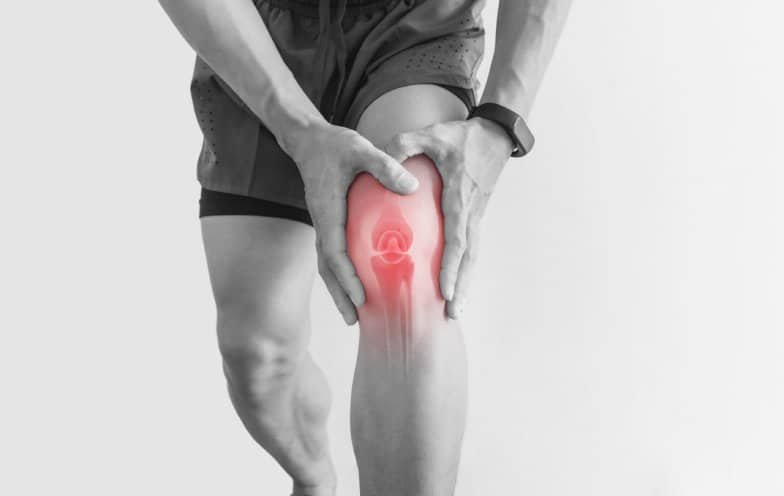
You might have experienced pain while or after a workout. Sometimes these pains are regular or due to some changes in the body. Often, people used to ignore them, but it may be a serious issue. Most pain is due to the workout disappearing after several hours or days. But if you are experiencing severe pain, then it might be a sign of something serious, or it could even be a soreness. Now, the point is that people get confused between soreness and injury. They don’t even have any idea about the pain they are suffering from, and this could lead to some severe damage to the body. So let’s understand both of them in detail, which will give you clarity over the pain you suffer, whether it’s a soreness or an injury.
In What Cases Should You Be Concerned?
Acute, abrupt, stabbing pain may signify a strain or tear to a muscle or other injury.
Non-resolving pain: If the pain lasts longer than one week or increases, it may indicate a problem at a higher level.
Pain associated with swelling or bruising: It is commonly the indication of inflammation and a possible injury.
Pain that restricts movement: If you find it challenging to move a joint or a limb due to pain, you should check your problem with the doctor.
Other symptoms with pain: If you experience pain coupled with fever, chills, dizziness, difficulty breathing, or numbness, you need to seek medical help.
Soreness
Sore muscles after exercising can occasionally be the symptom of beginning to exercise muscles you have not been stressing for a long time. This is termed delayed onset muscle soreness or DOMS. Such soreness is due to minor, nonhurtful “tearing or stress” to these unused muscle fibres. The best thing is that muscles tend to get more powerful as the body heals these tiny lacerations. Temporary muscle pain is a normal and healthy response to the workout. Muscle soreness and fatigue peak between 24 and 72 hours after a muscle-stressing exercise. It is supposed to heal itself after a few days.
The soreness level will depend on both the time and the intensity of exercise. It also depends on whether the exercise was new to you and how hard you exercised. Your body can also take more time to adjust to new activities. That is more true with more intensive activities that are longer or employ exercises unfamiliar to you.
The following are indications of Muscle Soreness (DOMS):
Hurtful when touched: This occurs when the touch produces sore spots in the muscles, and when the muscles are pressed or palpated, the person is affected by pain when touched.
Aching pain is a diffuse form of pain that can occur with or without movement.
Stiffness: Muscles may be tight and lack fluidity, especially when moving through the whole range of movement.
Stretching pain: When a muscle is stretched, it may exacerbate the pain, especially in the affected parts of the concerned muscles.
Limited range of motion: You may have soreness that restricts you from moving your joints through the range of motion.
Muscle fatigue: The pain in the muscles may be in the form of weary and weak muscles.
Swelling: In the other cases, muscles may be slightly swollen.
When you are under recovery and still sore, it is necessary to:
It is more likely that you will be injured when you continue with the same intensity and form of exercise too hastily. Activities like marathons, which are more demanding and intense, require more than a month to heal fully. If it is an injury, it helps to understand the three phases of back injury recovery.
DOMS is commonly treated with simple stretching and gentle movement. Total rest may increase soreness. When recovering, consider doing a different exercise. Once pain settles, try these lower back strengthening exercises.
Train your legs, arms, and body on an alternate basis. This will enable you to continue exercising and exercise other muscles as you give the painful ones time to rest.
Injuries during workouts are possible even when a person does not work out. Physical activity is a necessary element of a healthy lifestyle, and, at the same time, any form of exercise can be harmful. To engage in physical activities that interest you, you should learn how to recognize an exercise injury and ensure that such injuries do not occur. You can plan and educate yourself to enjoy every workout without injuries.
During a workout, you might feel a burning sensation in the deep parts of your muscle bellies, and that is just an ordinary kind of pain that might be evoked by overeating when working hard. This is because your limbs can feel jelly-like or tired, which is likely to indicate that your body is generating lactic acid (a chemical that breaks down carbohydrates to provide energy).
Pain is among the key symptoms, ranging from mild to severe aches.
Swelling: It tends to swell because of inflammation and retention of further fluids at the injured area.
Panic pain is pain felt sometimes as a limb or joint suddenly twists, bends, or straightens.
Weakness: It will cause a weakening of the muscles of strength or even immobility of the part of the body that is injured.
Variation of Sensation: Sept change in conjunction with sensitivity to touch, moisture, or pain.
Redness and Heat: It is highly prevalent in the early phases of inflammation.
Painkillers, either prescription or over-the-counter, may be required.
It may be necessary for a medical professional to realign a joint.
For instance, surgery might be required to fix a fracture or tear.
A cast or splint might be required to keep your tissues in place.
You must regain the strength and flexibility of your injured parts after rest. This is the part of your treatment plan that deals with rehabilitation. Your doctor will advise when and how to resume moving the injured area. They may suggest that you see a physical therapist to create a personalized workout regimen. Physical therapy can be helpful for almost any sports injury.