
-
Miami, Florida
-
Mon-Fri 8 am- 6pm (EST)
Patients from all over the US come to see Dr. Trapana due to his world class expertise in Spine
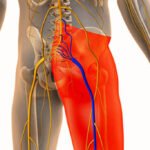
Sciatica hasn’t changed.
But how doctors diagnose it — and how they treat it — absolutely has.
Most patients who come in with sciatica don’t show up saying, “I think I have a nerve root compression at L5.”
They come in because one leg burns. Or goes numb. Or won’t cooperate when they stand up. Sometimes it’s been weeks. Sometimes months. Sometimes they’ve already tried everything they were told would help.
In 2025, the biggest shift in sciatica care isn’t a new gadget or miracle treatment.
It’s better decision-making — knowing when to image, what actually causes symptoms, and who truly benefits from injections or surgery.
This is how sciatica is approached today, and how Evan Trapana evaluates it in real patients.
Sciatica isn’t a diagnosis.
It’s a symptom pattern.
That matters more than most people realize.
Sciatic pain usually follows a path:
The cause is almost always nerve compression, not muscle strain.
Common reasons include:
What sciatica is not:
Sorting that out early makes all the difference.
One of the biggest updates in 2025 is when MRIs are ordered.
Years ago, imaging was either rushed — or delayed too long.
Today, timing is more intentional.
An MRI is usually appropriate when:
Ordering an MRI too early can show findings that look alarming but aren’t actually causing symptoms.
Waiting too long can delay treatment that could prevent nerve damage.
This balance is where experience matters.
One mistake patients hear all the time:
“Your MRI looks bad, so surgery is inevitable.”
That’s rarely true.
In 2025, sciatica treatment is based on:
Mild compression may respond well to time and targeted therapy.
Significant compression with weakness or progressive symptoms may not.
The MRI is a tool — not the decision-maker.
This is where sciatica care has matured the most.
Epidural Injections
Injections aren’t a cure — and they’re not meant to be.
They’re most useful when:
They can:
They don’t fix structural problems.
Surgery
Surgery is considered when:
Modern surgical approaches focus on precision, not overcorrection. The goal is to relieve pressure — not destabilize the spine.
The biggest advancements aren’t flashy. They’re smarter.
Most importantly: fewer patients being pushed into surgery they don’t need — and fewer being delayed when they do.
Some sciatica resolves on its own.
Some doesn’t.
Red flags that shouldn’t be ignored:
Ignoring nerve symptoms for too long can affect recovery — even after treatment.
Patients often appreciate a few things during evaluation:
The focus is on matching treatment to real anatomy and real symptoms, not MRI reports alone.
Not always. Timing matters. Persistent or worsening symptoms usually justify imaging.
Sometimes they’re diagnostic or therapeutic. Sometimes surgery isn’t needed at all.
Prolonged compression can affect nerve recovery, which is why evaluation matters.
Less common than before — but more precise when needed.
It depends on the cause. Therapy helps symptoms but doesn’t remove compression.
Sciatica care in 2025 is less about rushing to treatment — and more about making the right call at the right time.
MRI timing.
Understanding compression.
Knowing when injections help — and when they don’t.
Recognizing when surgery is appropriate.
Those decisions shape outcomes far more than any single treatment.
If leg pain, numbness, or weakness is interfering with your daily life, a proper evaluation can help determine what’s actually causing it — and what makes sense next.
A consultation focuses on:
The goal isn’t intervention.
It’s clarity.
Contact Dr. Evan Trapana for a consultation today.