
-
Miami, Florida
-
Mon-Fri 8 am- 6pm (EST)
Patients from all over the US come to see Dr. Trapana due to his world class expertise in Spine
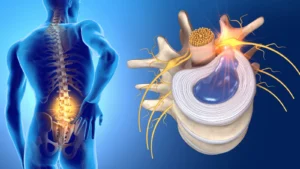
One of the most common fears patients walk in with is this:
“I have a herniated disc. Does that mean I need surgery?”
In most cases, the answer is no.
Dr. Trapana spends a significant portion of his time explaining this exact point — because herniated discs are common, but surgery-worthy herniated discs are not. The challenge isn’t finding a disc bulge on MRI. The challenge is understanding which disc is actually causing symptoms, and whether it’s progressing, stabilizing, or resolving on its own.
That distinction is where experience matters.
MRIs make disc herniations look dramatic.
Pain makes them feel urgent.
But clinically, many disc herniations:
Dr. Trapana often tells patients that the body has an impressive ability to heal disc injuries — when the nerve isn’t under ongoing threat.
This is why rushing to surgery simply because an MRI shows a herniation is rarely the right move.
There are a few reasons conservative treatment works so well for many patients:
In Dr. Trapana’s practice, many patients improve with:
Surgery isn’t avoided out of hesitation.
It’s avoided because it often isn’t necessary.
This is where nuance comes in — and where clinical judgment separates average care from excellent care.
Dr. Trapana looks for patterns, not just pain.
Red flags that raise concern include:
The key word is matches.
A disc bulge on MRI that doesn’t align with a patient’s symptoms is often incidental — not the cause.
One of the biggest misconceptions patients have is that avoiding surgery means ignoring the problem.
That’s not how Dr. Trapana practices.
Monitoring a herniated disc properly means:
This active approach builds trust — because patients know someone is paying attention, not brushing them off.
Some herniated discs do require surgical intervention.
Dr. Trapana typically considers surgery when:
Even then, the goal is precision — not overtreatment.
When surgery is recommended, patients usually understand why — because they’ve already been walked through every other option.
What patients often notice is that Dr. Trapana doesn’t rush to a recommendation.
He spends time explaining:
That transparency is intentional.
It allows patients to make informed decisions rather than emotional ones.
Many patients come in expecting surgery and leave relieved they don’t need it.
Others come in hoping to avoid surgery and leave understanding why it’s the right next step.
Both outcomes build trust — because the recommendation is driven by clinical need, not procedure volume.
That consistency is what patients tend to remember most.
Not usually. Many improve with conservative treatment over time.
Yes. Disc material can shrink and inflammation can resolve.
Progressive weakness, worsening numbness, or loss of function should be evaluated promptly.
Surgery can relieve nerve compression, but outcomes depend on timing, diagnosis, and overall spine health.
This varies, but many patients are reassessed over weeks, not days, unless red flags appear.
Most herniated discs don’t need surgery.
But the ones that do need it shouldn’t be ignored.
The challenge is knowing the difference — and that requires careful evaluation, ongoing assessment, and honest communication.
That’s the approach Dr. Trapana takes every day.
If you’ve been diagnosed with a herniated disc — or you’re unsure whether surgery is even on the table — a consultation can help clarify your options.
A proper evaluation focuses on:
The goal isn’t to operate.
It’s to make the right call.
Contact Dr. Evan Trapana for a consultation today.