
-
Miami, Florida
-
Mon-Fri 8 am- 6pm (EST)
Patients from all over the US come to see Dr. Trapana due to his world class expertise in Spine
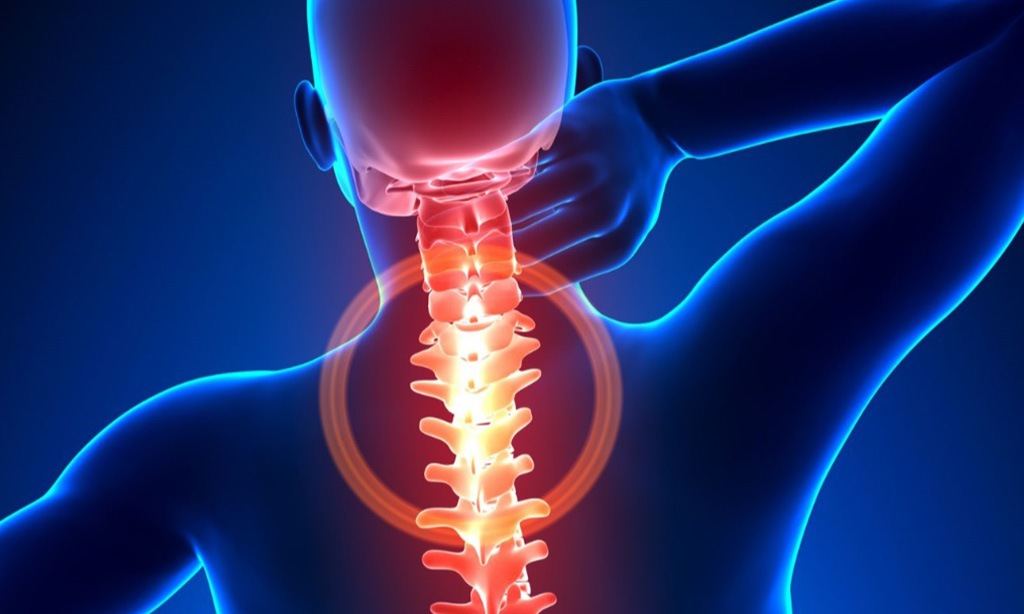
Neck pain is one of the most common and debilitating conditions affecting millions of people worldwide, often serving as a primary indicator of cervical spondylosis. This age-related wear and tear affects the spinal discs in your neck, leading to significant discomfort that can radiate into the shoulders and arms.
When these changes begin to compress spinal nerves, it can severely impact your daily life, making simple tasks like driving, working at a computer, or sleeping difficult. Emphasizing the importance of choosing the right back pain treatment—specifically for the cervical spine—is the first step toward reclaiming your mobility.
At The Florida Spine Center, Dr. Evan Trapana serves as a trusted provider of advanced, motion-preserving spine care. Let’s explore the causes of this condition and the various lower back pain treatments and cervical solutions available to restore your quality of life.
While cervical spondylosis specifically affects the neck, spinal degeneration is often a systemic issue. Pain in the cervical or lumbar regions typically stems from several interrelated conditions:
When addressing cervical spondylosis, there is no one-size-fits-all answer. The low back pain treatment or neck protocol that works for one patient may not be appropriate for another.
The best approach depends on several clinical factors:
Under the guidance of Dr. Evan Trapana, patients transition through a tiered treatment plan, exhausting conservative measures before moving toward surgical intervention.
Physical therapy is a cornerstone of recovery for cervical spondylosis. A specialized back pain therapy treatment plan for the neck focuses on strengthening the deep cervical stabilizers.
By improving the muscular support around the neck, patients can reduce the pressure on their spinal discs and improve their range of motion.
Initial relief is often found through anti-inflammatory drugs (NSAIDs) to reduce swelling around irritated nerves. Muscle relaxants may also be prescribed to break the cycle of painful spasms in the neck and upper shoulders.
In mild cases of cervical spondylosis, spinal adjustments and chiropractic care can help improve joint mobility. This can alleviate some of the mechanical stiffness that contributes to chronic neck pain.
If pain persists, Dr. Trapana may recommend advanced minimally invasive treatments such as cervical epidural steroid injections or facet joint blocks.
These procedures deliver powerful medication directly to the source of pain under high-precision imaging guidance.
For severe or chronic cases where nerve compression leads to arm weakness or difficulty with hand coordination, surgical treatment is required.
Dr. Trapana specializes in procedures like Anterior Cervical Discectomy and Fusion (ACDF) or Cervical Disc Replacement, which remove the source of pressure and stabilize the spine.
Choosing between surgical and non-surgical paths requires a clear understanding of the goals:
At The Florida Spine Center, we believe in holistic recovery through various therapy options:
The key to success is an accurate diagnosis through physical exams and imaging like MRI or CT scans. Because neck pain can mimic other conditions, you must consult a specialist who understands the intricacies of the cervical spine.
Dr. Evan Trapana provides personalized treatment plans at floridaspine that are tailored to your unique anatomy and lifestyle.
You should not ignore signs that your spinal health is declining. Schedule an evaluation if you experience:
To maintain a healthy spine, incorporate these habits:
Cervical spondylosis can be a restrictive condition, but it doesn’t have to be permanent. Whether your path involves specialized physical therapy or advanced motion-preserving surgery, early intervention is the best way to protect your nerves and restore your lifestyle.
CTA: Contact floridaspine today for expert back pain treatment and personalized care.