
-
Miami, Florida
-
Mon-Fri 8 am- 6pm (EST)
Patients from all over the US come to see Dr. Trapana due to his world class expertise in Spine
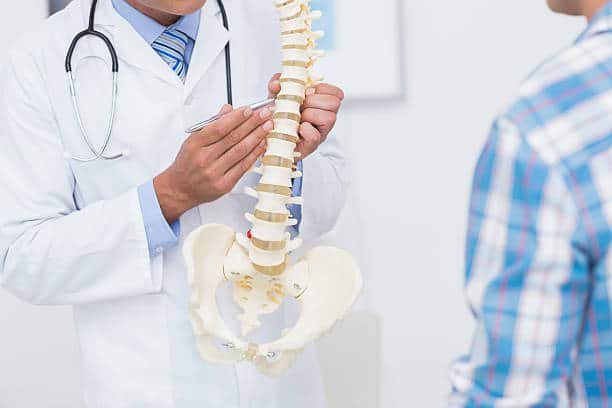
Hearing the words “you need spine surgery” can evoke a range of emotions. For many people who are dealing with crippling chronic neck or back pain, numbness or weakness that just won’t go away despite other conservative treatments it can be both a frightening prospect and a much-needed glimmer of hope.
Having spine surgery undoubtedly is a big decision, and knowing a few essential tips will help you successfully navigate and achieve success after spine surgery. First and most importantly, it’s important to keep in mind that spinal surgery is always reserved as the last option when conservative treatment has failed. Before considering spine surgery, your spine doctor will probably walk you through several non-surgical approaches such as physical therapy, medication, or injections. You will learn that there are several types of spinal surgery available when it is an option.
Procedures can include minimally invasive spinal fusion, which aims to stabilize portions of the spine, and nerve decompression, such as a microdiscectomy, to relieve pressure from a herniated disc. Any procedure is dependent on the specific diagnosis. Once the operation is over, the journey continues. A major step in the process is recovery, which frequently entails specialized physical therapy to help you regain your strength, flexibility, and ability to lead an active life. It’s a true commitment, but it’s necessary to get the best result possible.
There are possible risks associated with any surgical procedure, which your surgeon will discuss with you, but there is also a great chance of substantial pain relief and a significant improvement in quality of life. Most importantly, it’s important to ask any questions you may have in regards to the surgery, potential risks and benefits including expectations after surgery.
Herniated Discs
The soft jelly-like core of a disk in your spine pushes against and leaks out of its outer ring when it herniates, also known as a bulging or slipped disk. Your neck, back, or legs may become painful, numb, and weak as a result of this protrusion. Typically a herniated disc will heal on its own in 4-6 weeks. Consult a spine specialist if symptoms continue.
Spinal Stenosis
When the area surrounding your spinal cord gets too small, you develop spinal stenosis. Your spinal cord and/or the nerves that emerge from it become irritated by this narrowing condition. Symptoms of spinal stenosis include tingling in your arms and legs, and back or neck pain. Both the causes and the available treatments are numerous.
Spinal Fractures
Osteoporosis and traumas like auto accidents are the main causes of spinal fractures. If your spinal cord isn’t injured, a spinal fracture shouldn’t have any long-term effects, even if surgery is required to fix your broken vertebrae.
Spinal Tumors
Your spinal column, which consists of your vertebrae, spinal cord, and the tissues surrounding your spinal cord, is where spinal tumors can develop. The majority of spinal tumors are caused by cancer metastases, which occur when cancer spreads to the spine from another part of the body.
Spinal Infections
When a microbe, such as a bacterium, fungus, or parasite, becomes established in the spinal column, it can lead to spinal infections. Depending on how the microbe entered the body, the infection may be found in the tissues of the spine or cavities.
Degenerative Disc Disease
Degenerative disc disease occurs when your spine’s cushioning starts to deteriorate. Most people have some level of spinal degeneration after the age of 40. However, symptoms are not always present. Degenerative disc disease can cause severe back and neck pain. Pain relief and improved mobility can result from the appropriate spine treatment.
In 2023, Evan Trapana, MD, finished his fellowship in spine surgery at the University of California, San Diego Medical Center. Dr. Trapana is considered by many to be the Best Minimally Invasive Spine Surgeon in South Florida for Motion Preservation. Florida Spine Center is a top rated medical center committed to offering complete care to people with spine-related disorders. Because of Dr. Trapana’s exceptional expertise in spine care, Dr. Trapana sees patients from all over the United States.
This procedure relieves pressure on the spinal cord. The lamina bone allows your spinal canal to open. This is the vertebral backbone of the spine. If you have spinal stenosis or myelopathy, Dr. Trapana may suggest this procedure. After the procedure, the majority of people report feeling less pain.
Cervical disc replacement involves replacing a damaged cervical disk in the neck with an artificial disc. Unlike traditional surgery, which limits motion by fusing two adjacent vertebrae, this procedure preserves the cervical spine’s natural motion. It is typically performed when there is pain, stiffness, numbness, and a degenerating cervical disc. This procedure significantly reduces discomfort and restores movement by releasing pressure on the nerve root.
Long-term pain relief from a damaged spinal disc is possible with lumbar disc replacement. Patients who have not responded to non-surgical treatment options may benefit most from this surgery. By removing the damaged spinal disc and replacing it with an artificial disc, lumbar disc replacement surgery improves overall spine and regional mobility. A lumbar disc replacement procedure, as opposed to a spinal fusion, won’t overstress nearby vertebrae, preventing adjacent segment degeneration—a frequent cause of repeat spinal surgery. The spine can flex, bend, and twist naturally when the lumbar disc is replaced.
Accessing your spine with minimally invasive spine surgery allows you to avoid harming the surrounding muscles and tissue. Your skin will be incised, and the surgery will be performed using specialized tiny instruments. The procedure addresses scoliosis, spinal stenosis, and other spinal disorders that result in chronic pain. Minimally Invasive Spine Decompression leads to a quicker recovery. Dr. Trapana will make a few very small incisions during minimally invasive surgery. To operate in a smaller operating field, Dr. Trapana inserts a tiny metal tube or endoscope through the incision. Your muscles, soft tissues, and skin sustain significantly less trauma as a result. With this procedure, your recovery period is typically much faster.
Using relatively small incisions, arthroscopic spine surgery treats conditions affecting the spine. Using a tiny camera and specialized equipment, Dr. Trapana will visualize the spine and treat any condition through tiny incisions as opposed to making the larger incisions in traditional spine surgery. Shorter hospital stays, less pain, and a quicker recovery are the results. Using this technique, Dr. Trapana, one of Miami’s best arthroscopic spine surgeons, treats severe spine disorders and aids patients in their recovery without the need for major surgery.
During lateral spine surgery, the spine is accessed from the side of the body rather than the front or rear. Because the procedure is performed through a tiny incision between the ribs and hips, it is minimally invasive and ideal for treating a variety of spine disorders.