
-
Miami, Florida
-
Mon-Fri 8 am- 6pm (EST)
Patients from all over the US come to see Dr. Trapana due to his world class expertise in Spine
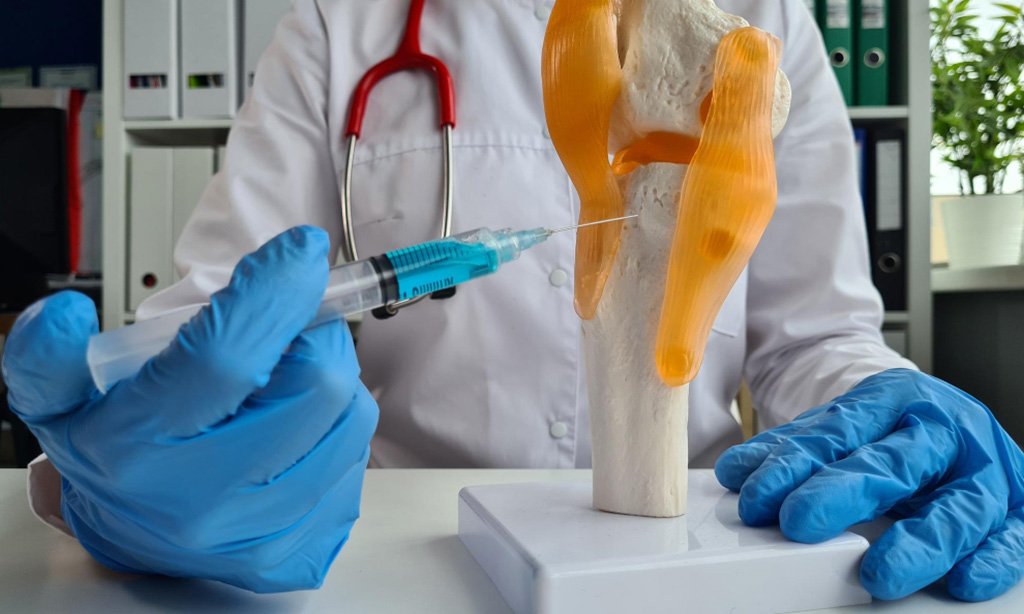
Lower back pain and radiating leg discomfort are common symptoms that can significantly disrupt your daily life, making standard activities like walking, standing, or sitting incredibly painful. While many instances of back discomfort stem from a typical muscle strain or disc herniation, another frequent but less discussed culprit is a synovial cyst, also known as a facet cyst.
When these fluid-filled sacs develop within the spine, they can compress nearby nerve roots, leading to severe localized pain and symptoms that mimic sciatica. Finding the right back pain treatment relies entirely on a precise diagnosis of the underlying structural cause. At The Florida Spine Center, Dr. Evan Trapana specializes in providing advanced, motion-preserving spine care for patients throughout South Florida. Let’s explore what causes synovial cysts, the conservative treatment paths available, and the specific clinical signs that indicate surgery has become necessary.
A synovial cyst is a benign, fluid-filled sac that develops from the tissue of a facet joint in the spine. Facet joints are the small connecting joints positioned between your vertebrae that allow for spinal flexibility and twisting.
These cysts are primarily caused by spinal degeneration and instability:
While they can technically form anywhere along the spinal column, the vast majority of synovial cysts develop in the lumbar spine—specifically at the L4-L5 level—due to the high amount of mechanical stress and motion centered in the lower back.
A synovial cyst can trigger a wide array of symptoms depending entirely on its size and which nerve root it is compressing. Common signs include:
When a synovial cyst is initially diagnosed through high-resolution MRI or CT imaging, Dr. Trapana’s philosophy focuses on utilizing non-surgical conservative treatments first, as many cysts can be managed successfully without an operation.
A targeted back pain therapy treatment plan focuses on lumbar flexion exercises and core stabilization. Strengthening the abdominal and pelvic muscles helps shift your body weight away from the degenerated facet joints, reducing the mechanical pressure on the cyst.
Non-steroidal anti-inflammatory drugs (NSAIDs), muscle relaxants, or temporary nerve-pain medications are used to calm the chemical inflammation surrounding the compressed nerve root, providing immediate baseline comfort.
If physical therapy alone isn’t enough, Dr. Trapana may recommend a minimally invasive injection. This can involve a facet joint injection to reduce inflammation directly inside the joint capsule, or an epidural steroid injection to bathe the pinched nerve in powerful anti-inflammatory medication.
Under precise fluoroscopic (X-ray) guidance, a specialized needle can sometimes be inserted directly into the cyst to drain the fluid. While this can provide immediate relief, synovial cysts have a high rate of refilling over time because the underlying joint degeneration remains unchanged.
While conservative lower back pain treatments are effective for many, there are clear clinical indicators that signify a synovial cyst requires surgical intervention. Surgery is generally considered necessary when:
If surgery is required to treat your facet cyst, Dr. Evan Trapana utilizes modern, minimally invasive techniques at Florida Spine to maximize your safety and accelerate your recovery.
Using specialized microscopic tools and tiny incisions, Dr. Trapana removes the cyst and any thickened ligaments that are crowding the nerve pathway. Because this approach avoids cutting large back muscles, post-operative pain is minimal, and nerve relief is often felt instantly.
Because synovial cysts are fundamentally caused by an unstable, arthritic joint, simply removing the cyst can sometimes cause the vertebra to slip forward (spondylolisthesis). If dynamic X-rays show that your spine is highly unstable at the cyst level, Dr. Trapana may combine the decompression with a minimally invasive spinal fusion using titanium rods and screws to permanently stabilize the segment and prevent the cyst from recurring.
Recovering from a minimally invasive cyst decompression is highly streamlined:
A synovial facet cyst can turn daily movements into an agonizing challenge, but it is a highly treatable structural issue. Whether your condition can be successfully managed through precise, targeted injections or requires a definitive minimally invasive decompression, getting an accurate diagnosis from an orthopedic spine expert is essential to protecting your nerve health.
Contact Florida Spine today to schedule a comprehensive evaluation with Dr. Evan Trapana and discover your personalized path to relief.