
-
Miami, Florida
-
Mon-Fri 8 am- 6pm (EST)
Patients from all over the US come to see Dr. Trapana due to his world class expertise in Spine
Lower back pain is one of the most common and debilitating conditions affecting millions of people worldwide. It can severely impact your daily life, making simple movements like walking, sitting, or even standing difficult and painful. When faced with persistent, chronic back pain, finding the right back pain treatment is critical to restoring your mobility and getting your life back on track.
Because the spine is a complex structure, there are many lower back pain treatments available today, ranging from conservative physical therapy to advanced surgical procedures. Selecting the right low back pain treatment depends entirely on identifying the source of your discomfort. At The Florida Spine Center, Dr. Evan Trapana serves as a trusted provider of advanced, motion-preserving, and minimally invasive spine care.
Let’s explore when lateral spine surgery is used, how it works, and its recovery timeline.
Lower back pain can stem from several conditions that affect the spine, muscles, or nerves. Some of the most common causes include:
When seeking relief, there is no one-size-fits-all answer. The best back pain treatment depends on several key factors:
For some, a simple combination of rest and physical therapy is enough. For others with severe nerve compression or spinal instability, surgical intervention may be required. Understanding these factors helps transition patients into the most appropriate and effective care plan for their specific condition.
Physical therapy is a cornerstone of recovery and involves targeted, structured exercises. These movements strengthen your core, improve flexibility, and stabilize the spine. Furthermore, an effective back pain therapy treatment plan helps correct posture and prevents future flare-ups by taking the load off the lower spine.
For immediate relief, doctors often recommend anti-inflammatory medications (NSAIDs), muscle relaxants, or even temporary pain relief injections. These methods calm inflammation around the nerves and allow patients to participate more effectively in physical therapy.
Chiropractic care involves spinal manipulation designed to restore proper alignment. Better alignment reduces the mechanical stress placed on the spinal discs and surrounding joints, promoting natural healing and reducing pain.
For pain that does not respond to conservative measures, minimally invasive options like epidural steroid injections or nerve blocks can provide significant, long-lasting relief. These procedures target the affected nerves directly with high-precision imaging guidance.
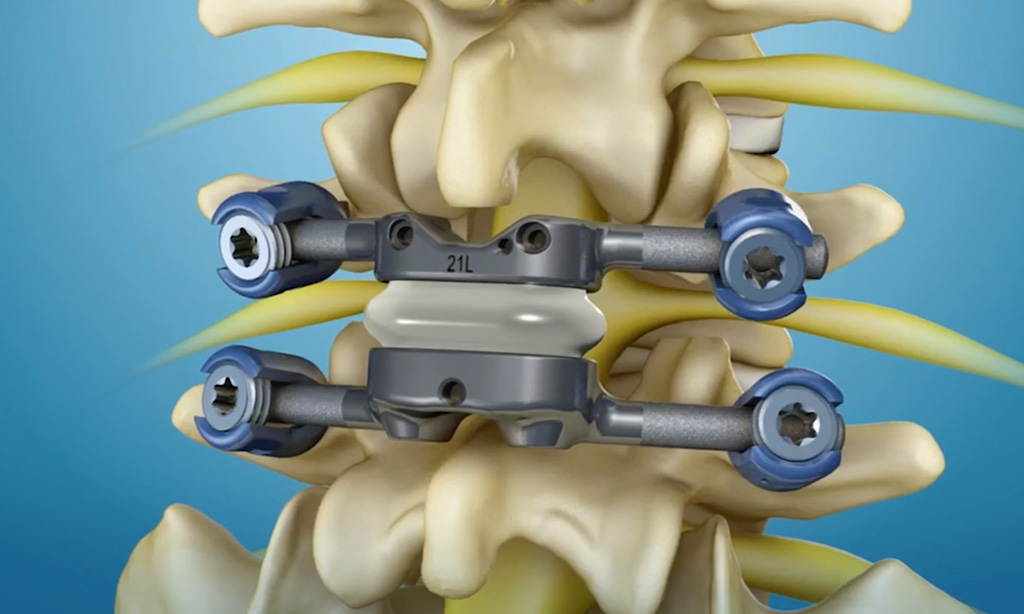
When conservative and minimally invasive methods fail to relieve severe pain from conditions like a herniated disc, stenosis, or degenerative disc disease, surgical treatment is needed. This may involve decompression of the nerves, disc replacement, or spinal fusion. One highly effective modern approach is lateral spine surgery (such as a Lateral Lumbar Interbody Fusion or LLIF).
Lateral spine surgery is a minimally invasive procedure where the surgeon approaches the spine from the side of the body rather than the front or back. This method allows the surgeon to access the spinal disc space without cutting through major back muscles, nerves, or bones.
During the procedure, the surgeon removes the damaged disc and inserts a bone graft or cage to fuse or stabilize the vertebrae. The benefits of this approach include less tissue disruption, reduced blood loss, and a shorter hospital stay compared to traditional open surgeries.
Even after surgery, or as a primary intervention for mild to moderate pain, a back pain therapy treatment program is critical. Options include:
Choosing the right approach requires a consultation with a specialist who can perform a proper diagnosis. Because back pain can originate from the discs, joints, or nerves, a thorough examination utilizing high-resolution imaging is key.
At The Florida Spine Center, Dr. Evan Trapana develops personalized treatment plans tailored to each patient’s unique anatomy and lifestyle goals, utilizing advanced motion-preservation techniques whenever possible.
You should not ignore signs of a deeper spinal condition. Schedule an evaluation if you experience:
To maintain a healthy spine, incorporate these daily habits:
Chronic lower back pain doesn’t have to control your life. Whether you are seeking relief through physical therapy or require advanced, minimally invasive lateral spine surgery, early intervention is essential to prevent long-term nerve damage and preserve your spinal mobility.